
Is Sleep Really the Best Medicine? Here’s What Science Says
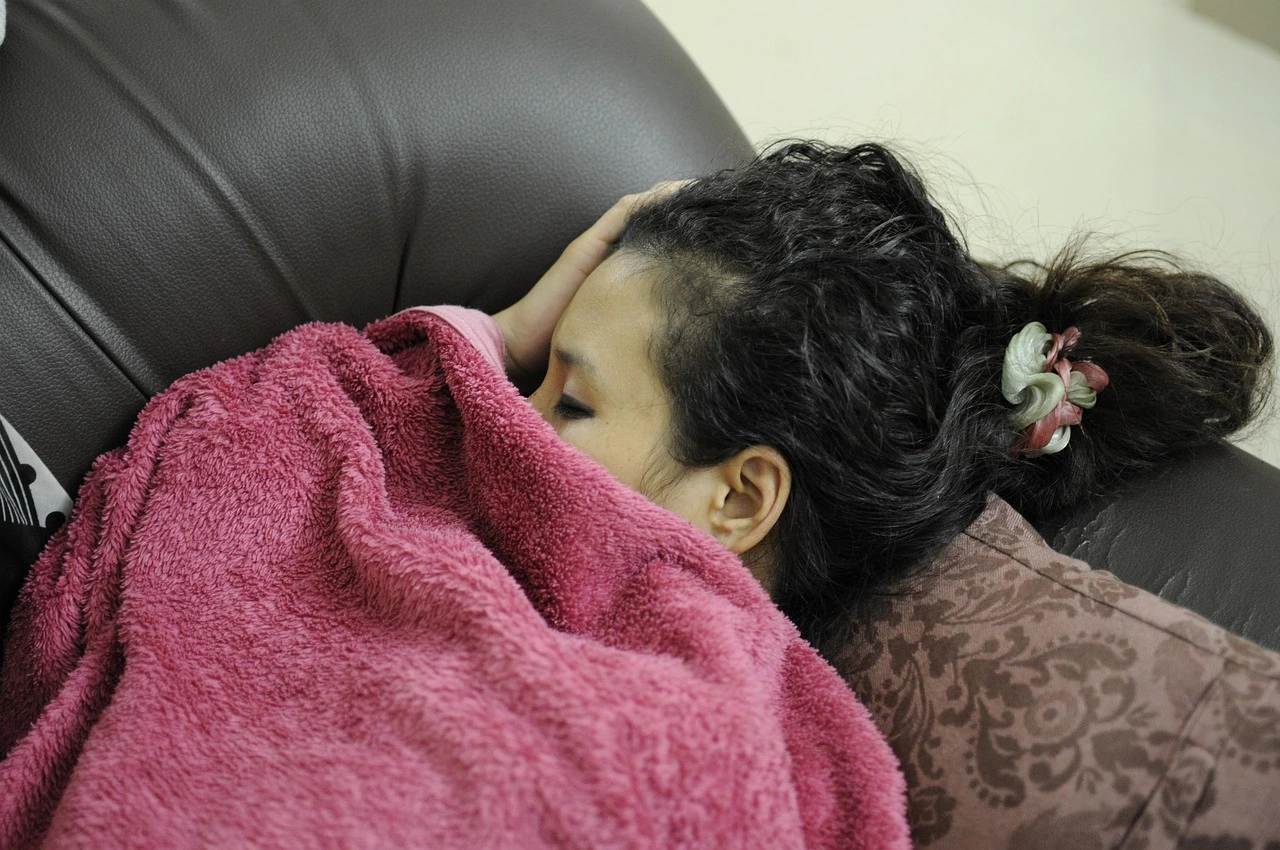
Sleep is not just about closing your eyes and resting. It is a powerful biological process that restores your body, strengthens your brain, and protects your long-term health. Scientists now agree that good sleep is as important as diet and exercise when it comes to overall well-being.
Table of Contents
The Science of Sleep
When you sleep, your body enters stages of light, deep, and rapid eye movement (REM) sleep. Each stage plays a role in healing and recovery. Deep sleep repairs tissues, builds muscle, and strengthens your immune system. REM sleep, on the other hand, helps process memories and emotions.
Researchers from the National Institutes of Health explain that during sleep, the brain clears toxins such as beta-amyloid proteins. These proteins are linked to Alzheimer’s disease. This means sleep is not just rest; it is active housekeeping for your body and mind.
How Sleep Protects Your Health
Poor sleep has been linked to many chronic diseases. Studies published in journals like Sleep Medicine Reviews and The Lancet have shown strong connections between sleep and health outcomes.
- Heart health: Sleeping less than six hours increases the risk of high blood pressure and heart disease.
- Stronger immunity: Sleep boosts white blood cell activity, helping your body fight infections more effectively.
- Better metabolism: Lack of sleep alters hunger hormones, leading to cravings, weight gain, and higher diabetes risk.
- Mental well-being: Consistent sleep lowers anxiety, improves mood, and reduces the risk of depression.
Sleep and Daily Performance
Have you noticed how everything feels harder after a sleepless night? Sleep affects attention, memory, and problem-solving skills. Harvard Medical School reports that students who sleep well score better in exams, while professionals make fewer errors at work. Missing sleep may feel like gaining time, but it actually reduces productivity.
How Much Sleep Do You Need?
According to the Centers for Disease Control and Prevention (CDC):
- Adults need 7 to 9 hours of sleep.
- Teenagers need 8 to 10 hours.
- Children need 9 to 12 hours.
Quality matters as much as quantity. Keeping a consistent sleep schedule, avoiding caffeine late in the day, and limiting screen time before bed are proven ways to improve sleep quality.
Final Thoughts
If there were a pill that could improve heart health, sharpen memory, reduce stress, and even extend lifespan, it would be priceless. Fortunately, we already have it in the form of good sleep. Science is clear: sleep is the best medicine you can give your body and mind every night.
FAQs
Can lack of sleep really make me sick?
Yes. Poor sleep weakens your immunity, making you more likely to catch infections. It also raises the risk of heart disease, obesity, and diabetes.
How many hours of sleep are healthy for adults?
Most adults need 7 to 9 hours of good-quality sleep every night.
Does sleep improve mental health?
Research shows that sleep lowers anxiety, stabilizes mood, and reduces the risk of depression.
What are the best tips for better sleep?
Maintain a consistent sleep schedule, avoid caffeine late in the day, reduce screen time at night, and keep your bedroom dark and cool.
[…] you are interested in other ways to improve mental clarity, you might enjoy our post on Why Sleep is the Best Medicine. Good sleep and mindful breathing work together to reduce stress and improve […]
[…] For more on the importance of rest, check out our post on why sleep is the best medicine. […]
[…] Why Sleep is the Best Medicine […]
[…] quality, physical activity, sleep, and not smoking. For sleep, you can point readers to your post Why Sleep is the Best Medicine. For lifestyle stress tools, link to 7 Proven Ways to Reduce Stress Naturally Every Day. For basics […]